
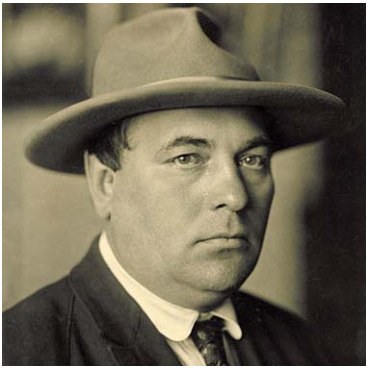
Kārlis Zāle
1888 – 1942
- Cemetery
- Brothers’ Cemetery / Brāļu kapi, Riga, Latvia
Kārlis Zāle created sculptures that became central to Latvia’s public landscape of remembrance. His work on the Freedom Monument and the Brothers’ Cemetery in Riga joined monumental form with themes of sacrifice, mourning and collective identity. Training and experience outside Latvia exposed him to different artistic movements, but his major public commissions developed within the independent republic. These works were collaborative projects involving architecture, landscape and craftsmanship as well as sculpture. Their later history under occupation and restored independence forms part of their meaning. Zāle died in 1942 and was buried at the Brothers’ Cemetery. Born on 28 October 1888 in Mažeikiai, close to the Latvian border, Zāle received his early professional education at Kazan Art School, graduating in 1913. Further study took him to S. Erzya’s Moscow studio and to several institutions in Petrograd, including the Academy of Arts and the State Art Workshops. This period of training extended to 1920. During the following decade he became a prominent participant in Latvia’s artistic life, developing a sculptural language in which historical subjects were presented through symbolic figures and allegorical compositions. [2] His approach depended on clearly organised volumes and a measured relationship between planes, contours and edges. Relief was an important part of his practice, as was the integration of sculpture into architectural structures. These qualities acquired particular scope at Brāļu kapi, where the site already carried a substantial history of wartime burial: approximately 2,000 Latvian riflemen and independence fighters had been interred there between 1915 and 1921. Andrejs Zeidaks prepared the initial landscape plans. Zāle helped advance the proposal for a permanent memorial, and his design was selected following the cemetery committee’s competition of 1923. [2] Construction began in 1924, with architects P. Feders and A. Birzenieks working alongside Zāle and landscape architect Zeidaks. The visitor’s route connected distinct architectural and sculptural elements. Travertine gates led into a lime-tree avenue measuring 205 metres, followed by a terrace containing the altar for the sacred flame. At the cemetery’s far end, Mother Latvia stood above two fallen figures. Four warrior sculptures associated with Latvia’s regions occupied the end walls. Beneath Mother Latvia, an urn contained 517 handfuls of earth, representing the country’s civil parishes. The ensemble was consecrated on 11 November 1936. [2] While the cemetery was still developing, another competition opened the way to Zāle’s central Riga commission. In 1925 he secured the right to create the Freedom Monument by a margin of one vote. Built with architect Ernests Štālbergs between 1931 and 1935, it received substantial support from public donations. Granite, travertine and copper were used in its construction. Its overall height was 42 metres, with a 19-metre obelisk supporting the nine-metre figure of Freedom. The three stars raised above her represented Vidzeme, Kurzeme-Zemgale and Latgale. [2] The monument’s lower levels assembled historical episodes and allegories into a many-part composition. Figures of Lāčplēsis and Vaidelotis accompanied the group representing Latvia, while another group depicted the rupture of captivity through broken shackles. Other sculptures addressed military strength, physical labour, motherhood and intellectual work. Reliefs referred to the revolution of 1905 and the fighting against Bermont-Avalov’s forces in 1919. Latvian riflemen and a young woman travelling to the Song Festival also appeared within the scheme. Poet Kārlis Skalbe supplied the wording of the dedication on its front. [2] Zāle’s wider output included grave monuments for writer Andrejs Pumpurs and military commander Oskars Kalpaks, together with war memorials at Jaunpiebalga, Smārde and Sudrabkalniņš in Riga. In 1936 he became a professor and took charge of the sculpture workshop at the Art Academy of Latvia. His academic work was interrupted by repression during the Soviet occupation of 1940; he returned to his professorial duties in 1941. Of his numerous commissions, he regarded the cemetery ensemble as his foremost achievement. His own resting place lies at the end of its Terrace of Heroes. [2]
The book A Hundred Great Latvians, which includes this person, can be purchased here.
The map marker shows the cemetery; the exact grave position is not yet established.
Sources & Further Reading
Books
- [2] Apinis, P. A Hundred Great Latvians. Nacionālais apgāds, Riga, 2006, pp. 98-99. ISBN 9984-26-288-X.